
Menu
Contact us: 7208019100
Introduction to Bank Jobs in Mumbai

INRODUCTION
Mumbai, often called the financial capital of India, is a major hub for banking and financial careers. The city is home to a wide network of nationalized banks, private banks, and financial institutions, offering abundant opportunities for job seekers. Whether you’re a fresher looking for entry-level banking jobs or an experienced professional aiming for senior roles, Mumbai has something to offer for everyone.
With its status as India’s financial center, Mumbai hosts the Reserve Bank of India, leading stock exchanges, insurance firms, and several corporate headquarters. This strong presence of financial institutions creates a competitive yet rewarding job market, making the city an ideal destination to start or grow a successful career in the banking sector.
Why Consider a Career in Banking?
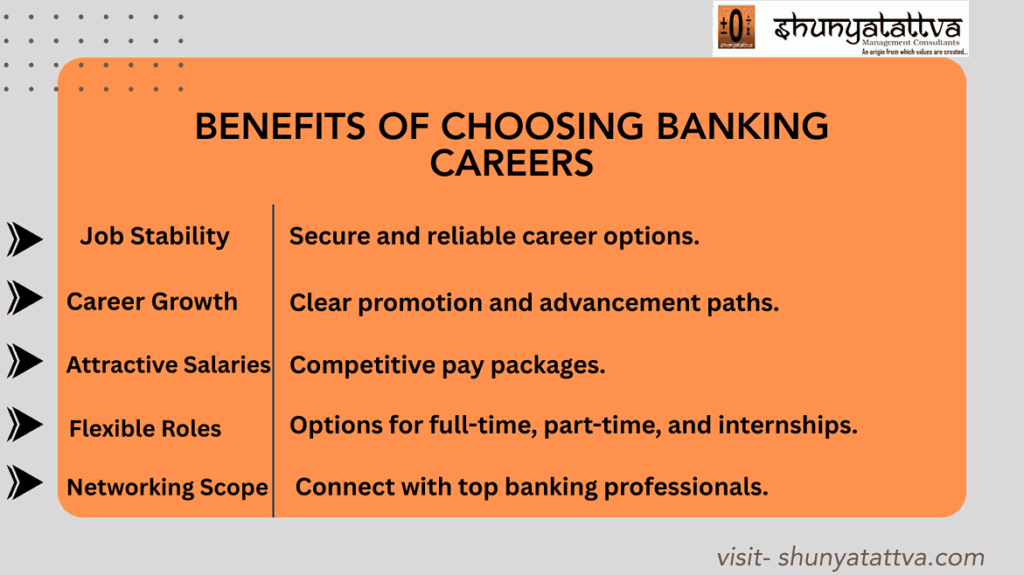
Choosing a career in banking can be one of the most rewarding decisions for job seekers in Mumbai. With the city being India’s financial hub, banks offer a wide range of opportunities for freshers as well as experienced professionals. From entry level banking jobs to managerial positions, the banking sector provides stability, growth, and valuable experience.
1. Job Stability and Growth
Long-Term Career Benefits
One of the main advantages of pursuing bank jobs in Mumbai is the long-term career potential. Unlike many other industries, banking offers structured career paths. Employees starting in entry-level roles such as clerks, customer service executives, or interns have a clear path for promotion. With consistent performance, they can move up to officer roles, specialist positions, and even managerial posts over time. Banks also provide opportunities for skill-based exams and certifications, which further accelerate career progression. This clear roadmap makes banking an attractive option for those seeking predictable career growth.
Financial Security
Banking jobs are known for providing financial stability. Even at the entry level, employees receive a steady salary, allowances, and other benefits such as medical coverage, provident fund, and retirement plans. Over time, with promotions and performance-based incentives, salaries increase, making it a financially rewarding career. This combination of stability and growth is especially appealing for freshers looking for secure opportunities in Mumbai’s competitive job market.
2. Benefits of Working in Banking
Skill Development
Working in banks allows employees to develop a variety of professional skills. From customer service and financial management to analytical thinking and problem-solving, banking roles provide comprehensive skill-building opportunities. For freshers, entry level banking jobs and internships offer hands-on experience, preparing them for long-term success in the sector.
Networking Opportunities
A career in banking also opens doors to valuable networking opportunities. Employees regularly interact with clients, colleagues, and industry professionals, which helps in building a strong professional network. Networking within Mumbai’s financial ecosystem can lead to advanced roles, specialized positions, and even career shifts into related fields such as insurance, investments, or corporate finance.
Types of Bank Jobs in Mumbai
Mumbai is not just India’s financial capital—it’s a playground of exciting opportunities for banking enthusiasts. Whether you’re a fresher dreaming of your first job or someone with experience aiming for growth, there’s a role for everyone. Let’s break it down.
1. Bank Clerk Jobs
Roles and Responsibilities
Think of clerks as the heartbeat of a bank—they handle day-to-day tasks, assist customers, manage accounts, and keep things running smoothly. If you enjoy interacting with people and love organized work, this is a perfect starting point.
Eligibility for Clerk Jobs
A bachelor’s degree is usually enough to get started. Freshers looking for entry level banking jobs can gain hands-on experience here. Good communication and basic computer skills are a must—but don’t worry, these are easy to learn!
2. Bank Officer / PO Jobs
Roles and Responsibilities
Officers or POs take things up a notch—they manage teams, oversee operations, and make key decisions. It’s challenging but highly rewarding, offering a chance to lead and grow quickly.
Skills Required
Analytical thinking, problem-solving, and confidence go a long way. Freshers can also enter after clearing bank exams, while experienced professionals can jump right into leadership roles.
3. Part-Time and Specialized Banking Roles
Who Can Apply
Students, working professionals, or anyone seeking flexibility can explore these roles.
Benefits of Part-Time Roles
Get practical experience, exposure to banking processes, and a flexible schedule—all while building your resume. Perfect for interns or beginners wanting a taste of the banking world.
Entry Level Banking Jobs – Getting Started
Starting your journey in banking can feel overwhelming, but entry level banking jobs in Mumbai offer the perfect launchpad for freshers to kickstart a rewarding career. From clerical roles to junior officer positions, these opportunities help you gain hands-on experience, understand banking operations, and set the foundation for long-term growth.
1. Eligibility Criteria for Freshers
Educational Requirements
Most banks in Mumbai require candidates to have at least a bachelor’s degree in any discipline. Some positions may prefer candidates with degrees in commerce, finance, or economics, but freshers from other fields can also apply. If you’re aiming for an entry-level role, what matters most is your eagerness to learn and your willingness to adapt to the banking environment.
Skills Needed to Qualify
Beyond education, certain skills can significantly boost your chances. Strong communication skills, both written and verbal, are essential since you’ll interact with customers daily. Basic computer literacy, including knowledge of MS Office and banking software, is a must. Additionally, problem-solving abilities, attention to detail, and a customer-first mindset can set you apart from other candidates.
2. How to Apply for Entry-Level Positions
Preparing Your Resume
Your resume is your first impression. Highlight relevant skills, internships, or part-time experiences, even if they’re not directly in banking. Keep it concise, professional, and tailored to the role. Emphasize your willingness to learn and your interest in banking, as freshers often compete on attitude and potential as much as qualifications.
Application Process Step-by-Step
Applying for entry-level banking jobs in Mumbai has become easier with online portals. Start by registering on the bank’s official career page or reputed job portals. Carefully fill out your details, attach your resume and other required documents, and submit before the deadline. Some positions may require an initial aptitude or written test, followed by interviews. Prepare by practicing basic banking concepts, current affairs, and situational judgment questions.
Entry-level roles are a fantastic way to gain experience, understand the banking ecosystem, and lay the groundwork for promotions and specialization in the future. With the right eligibility, skills, and application approach, freshers can confidently step into Mumbai’s vibrant banking sector.
Bank Internships in Mumbai – Practical Experience Matters
For anyone starting a career in banking, internships in Mumbai can be a game-changer. They provide the perfect opportunity to gain hands-on experience, understand real-world banking operations, and explore different roles before committing to a full-time job. Whether you’re a student, a fresher, or someone exploring entry level banking jobs, internships are the stepping stone to building a successful banking career.
1. Importance of Internships in Banking Careers
Learning on the Job
Internships allow you to learn while doing. You get exposure to daily banking activities like processing transactions, assisting customers, maintaining accounts, and understanding compliance regulations. Unlike classroom knowledge, this practical experience teaches you how banks actually operate, giving you a strong foundation for future roles.
Building a Professional Network
During your internship, you’ll meet experienced bankers, mentors, and colleagues who can guide you in your career. Building these connections can open doors to future opportunities, recommendations, and guidance on career growth. Networking during internships is one of the most effective ways to transition into a full-time banking role in Mumbai.
2. How to Find a Bank Internship in Mumbai
Online Portals and Hiring Platforms
Today, most banks list internship opportunities on official websites and trusted job portals. Regularly checking these platforms and applying early increases your chances of landing a position. Make sure your resume is updated and tailored to banking roles.
Networking and Referrals
Referrals from professors, senior students, or professional contacts can help you secure internships that may not be advertised publicly. Attending career fairs, webinars, or banking workshops in Mumbai is another effective way to find opportunities and make valuable connections.
3. Skills You Gain from an Internship
Technical Banking Skills
Internships teach you technical skills like handling banking software, understanding loan processes, account management, and financial reporting. These skills are directly applicable when you step into an entry level banking job.
Soft Skills and Professionalism
Apart from technical knowledge, you also learn soft skills such as communication, teamwork, problem-solving, and professionalism. These qualities are highly valued by employers and make you stand out during interviews and future job applications.
Completing a bank internship in Mumbai not only strengthens your resume but also gives you confidence, industry insight, and a competitive edge when applying for bank jobs in Mumbai.
Eligibility Criteria for Bank Jobs in Mumbai
Before applying for bank jobs in Mumbai, it’s important to understand the eligibility requirements. Banks follow specific criteria related to education, age, experience, and documentation. Knowing these in advance ensures you’re well-prepared and increases your chances of landing your dream role.
1. Educational Requirements
Minimum Qualifications
Most banks require candidates to have a bachelor’s degree in any discipline. This makes many entry level banking jobs accessible for fresh graduates. While the degree is the minimum requirement, having good academic records can strengthen your application.
Preferred Degrees
Although candidates from all streams are welcome, degrees in commerce, finance, economics, or business administration are often preferred. These subjects provide foundational knowledge of banking and financial concepts, giving you a head start during interviews or on-the-job training.
2. Age and Experience Requirements
Freshers Eligibility
Freshers are usually eligible for clerical roles, internships, or entry-level positions. Age limits can vary by bank, but generally, candidates between 20–28 years are eligible. Freshers with relevant certifications or internships may have an edge during selection.
Experienced Candidate Requirements
For managerial, officer, or specialized roles, banks look for candidates with relevant work experience. The experience criteria vary depending on the position and bank policies. Experienced applicants often need to demonstrate proven skills, leadership qualities, and knowledge of banking operations.
3. Documents Needed for Application
Identity and Address Proof
Applicants must submit valid identity proof such as Aadhaar card, passport, or voter ID. Address proof is also required to confirm residency and eligibility for location-specific postings.
Educational Certificates
Banks require mark sheets, degree certificates, and any relevant professional certifications. Having these documents ready ensures a smooth application process and avoids delays during verification.
Understanding and meeting these eligibility criteria is the first step toward a successful banking career in Mumbai. Whether you’re a fresher exploring entry level banking jobs or an experienced professional, being well-prepared improves your confidence and strengthens your application.
How to Apply for Bank Jobs and Internships in Mumbai
Finding the right bank jobs in Mumbai or securing a bank internship requires a strategic approach. Whether you are applying online or walking in with your resume, understanding the process and preparing properly can give you a competitive edge.
1. Step-by-Step Application Process
Lorem ipsum dolor sit amet, consectetur adipiscing elit. Ut elit tellus, luctus nec ullamcorper mattis, pulvinar dapibus leo.
Online Application Portals
Most banks today list their vacancies and internship opportunities on official websites and trusted job portals like Naukri, Indeed, and LinkedIn. To apply online, create a profile, upload your updated resume, and carefully follow the application instructions. Always double-check eligibility criteria, required documents, and deadlines before submission.
Offline/Walk-in Applications
Some banks and consultancies also conduct walk-in drives in Mumbai for immediate hiring. In such cases, candidates must carry their resume, ID proof, educational documents, and passport-sized photos. Dress professionally and be prepared for an on-the-spot interview or screening test.
2. Tips to Make Your Application Stand Out
Resume Optimization
Your resume is your first impression, so make it count. Keep it concise and tailored to banking roles. Highlight relevant skills like customer service, technical knowledge, and financial understanding. If you have completed a bank internship in Mumbai, include it under work experience to showcase practical exposure.
Cover Letter Essentials
A personalized cover letter can make your application stand out. Keep it short but impactful—explain why you’re interested in banking, what makes you a strong fit for the role, and how you can add value to the organization. Avoid using generic templates; customize your message for each application.
3. Common Mistakes to Avoid
Errors in Applications
Typos, incorrect contact details, and missing documents are common reasons candidates get rejected. Review your application thoroughly before submitting it, whether online or offline.
Interview Preparation Mistakes
Many candidates prepare for the technical part but neglect soft skills and basic banking knowledge. Avoid walking into interviews unprepared—research the bank, practice common interview questions, and stay updated on current financial trends to leave a positive impression.
Applying for bank jobs and internships in Mumbai becomes much easier when you know the process, optimize your application, and avoid common mistakes. A little extra effort can make you stand out from the crowd.
Career Growth and Future Opportunities in Banking
The banking sector in Mumbai isn’t just about finding a job—it’s about building a long-term, rewarding career. Whether you’re starting as a fresher or already have some experience, there’s plenty of room to grow, specialize, and lead in this industry.
1. Promotions and Role Advancement
From Clerk to Officer
One of the best parts about working in banking is the clear career ladder. Many professionals start as bank clerks and gradually move up to Probationary Officers (POs), Assistant Managers, and even Branch Managers over time. Growth is based on performance, experience, and skill development. So, even if you start at an entry-level banking job, you have the potential to climb the ladder quickly.
Specialized Roles
With experience, you can shift from general roles into specialized departments like wealth management, credit analysis, corporate banking, or compliance. These roles often come with higher salaries, better benefits, and stronger decision-making powers—perfect for those who want to shape the future of banking.
2. Specializations in Banking
Risk Management, Investment, Loan Processing
Banking isn’t limited to deposits and withdrawals anymore. Specialists in risk management analyze financial threats, investment bankers help clients grow their wealth, and loan officers assist individuals and businesses in securing funding. These are high-demand roles that can significantly boost your career and earnings.
Lorem ipsum dolor sit amet, consectetur adipiscing elit. Ut elit tellus, luctus nec ullamcorper mattis, pulvinar dapibus leo.
IT and Digital Banking Roles
With Mumbai rapidly adopting digital banking, opportunities in banking technology are booming. Roles in cybersecurity, digital payments, fintech integration, and data analytics are on the rise. If you have technical skills, this is an excellent way to enter banking without traditional finance experience.
3. Long-Term Career Prospects
Leadership Opportunities
With consistent growth, banking opens doors to leadership roles like Regional Manager, General Manager, or Vice President. These positions require strategic decision-making, team management, and financial planning—ideal for professionals aiming for senior-level success.
Industry Growth and Stability
The Indian banking sector, especially in Mumbai, is expanding rapidly thanks to digital innovation and financial inclusion. The demand for skilled professionals continues to rise, making banking one of the most secure and future-proof career choices today.
Pro Tip: If you want faster growth, focus on upskilling—learn digital banking tools, improve communication skills, and stay updated on financial trends. The more you invest in yourself, the faster your career will grow.
You can explore bank jobs in Mumbai through online job portals like Naukri, Indeed, and LinkedIn, as well as hiring consultancies like Shunyatattva that specialize in helping candidates find the right opportunities.
Yes, several banks in Mumbai hire freshers for entry-level banking jobs such as clerks, customer service executives, and sales officers. These roles are ideal if you’re starting your career and looking for on-the-job training.
For most bank jobs in Mumbai, you need at least a bachelor’s degree. However, some specialized positions may require additional certifications in finance, accounting, or data analysis.
Absolutely! Many banks hire freshers through bank internships in Mumbai and training programs. These internships help you learn practical skills and increase your chances of landing a full-time role.
On average, entry-level banking jobs in Mumbai offer salaries ranging from ₹15,000 to ₹30,000 per month, depending on the role, bank type, and your skill set.
You can apply through:
- Online job portals
- Bank career websites
- Hiring consultancies like Shunyatattva
- Networking with professionals in the banking industry
No, private banks in Mumbai usually hire based on your resume, interview performance, and skills. However, for government bank jobs, you’ll need to clear exams like IBPS or SBI PO/Clerk.